
Reconfigure Rooms to Match How You Live
Interior Renovations & Room Updates in Rock Hill for closed-off layouts, worn finishes, and walls that limit furniture placement
Finch Construction completes interior renovations and room updates in Rock Hill for homeowners working around compartmentalized floor plans, outdated trim, or wall placements that make furniture arranging difficult. You may be stepping around a load-bearing wall that divides the kitchen from the dining area, repainting baseboards that show water damage from old leaks, or dealing with a living room layout that blocks natural light from reaching the center of the home. These updates remove non-structural walls, replace damaged millwork, and refinish surfaces to open sightlines and improve how each room functions daily.
The work begins with identifying which walls carry roof or floor loads, installing temporary support posts, and cutting headers to redistribute weight before removing studs. Open-concept conversions require beam sizing based on span tables and joist direction, with steel or laminated lumber selected to match the load without sagging. Wall removal exposes ceiling and floor finishes that may not align, so drywall patching, flooring transitions, and paint blending follow demolition. Trim and molding installation includes coping inside corners, scribing baseboards to follow uneven floors, and using pneumatic nailers to secure casings without splitting the wood.
Contact Finch Construction to walk through your current layout and discuss which walls can be moved or removed in your Rock Hill home.
What Happens Between Wall Removal and Final Paint
You will see the targeted wall stripped to studs, a structural beam installed across the opening, and temporary posts removed once the header is secured and inspected. The ceiling and floor are patched where the old wall stood, seams are taped and mudded smooth, and any electrical or HVAC lines are rerouted through the attic or crawlspace to avoid surface-mounted conduit.
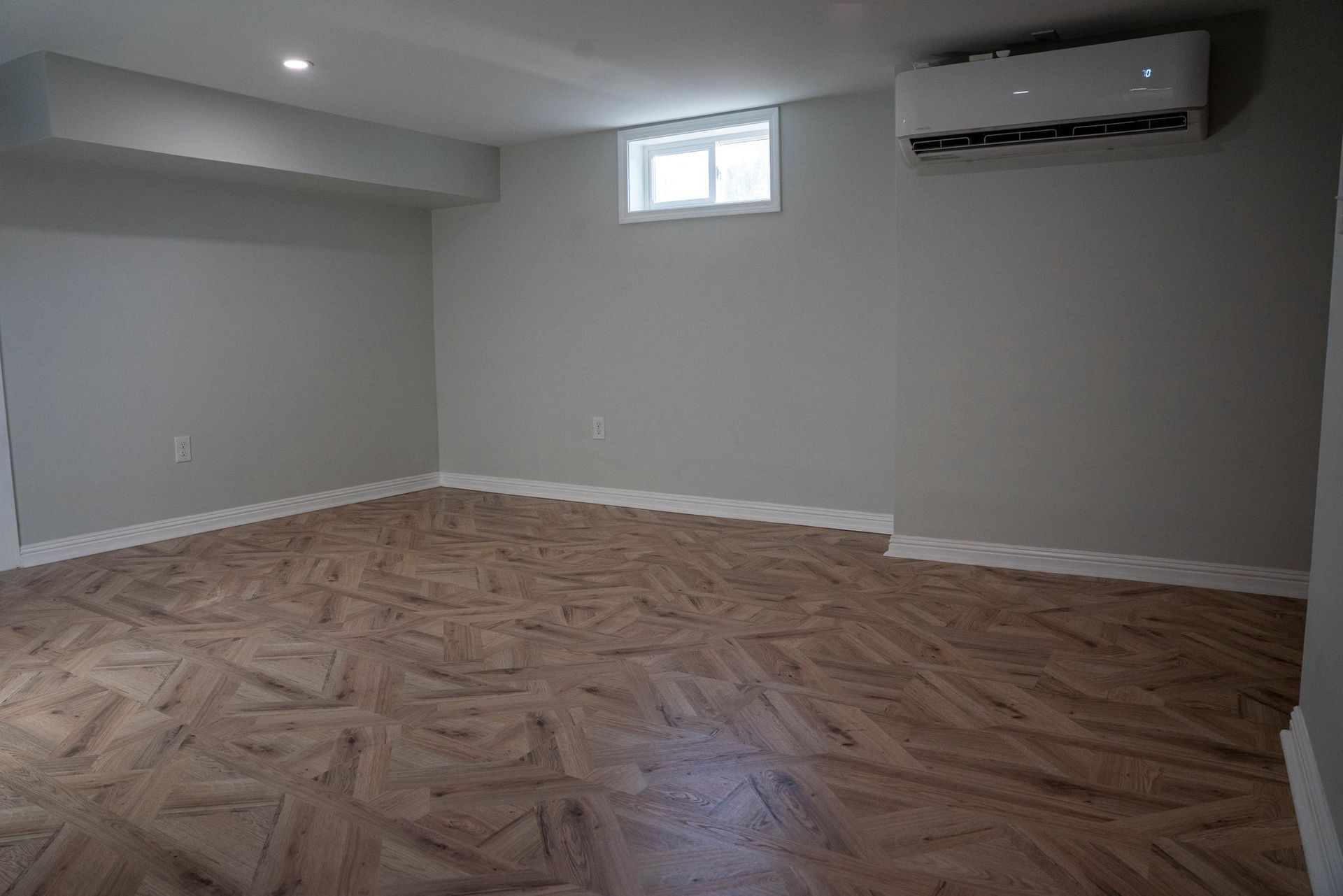
After Finch Construction finishes, you will notice unobstructed sightlines between rooms, trim joints that close tightly without gaps, and paint that matches across patched and existing drywall. Flooring transitions will sit flush where materials change, baseboards will follow the wall without waving, and door casings will align vertically without shims showing. If the project included refinishing, the floors will be sanded smooth, stained evenly, and sealed with a finish that resists scuffing under furniture legs.
Room reconfigurations may include relocating light switches, adding outlets along new wall sections, and patching old fixture holes in ceilings or floors. Painting covers all repaired areas and may extend to adjacent walls for consistent sheen and color. The work does not include replacing flooring beyond transition strips, moving plumbing fixtures, or adding windows unless specified separately.
Common Questions About Walls, Beams, and Finishes
These questions cover structural considerations, finish matching, and timeline expectations for interior renovations in Rock Hill.
What determines whether a wall can be removed without adding a beam?
If the wall runs parallel to floor joists and does not sit under a roof truss or support an upper floor, it is likely non-load-bearing, but a site review confirms joist direction and any hidden loads.
How is new drywall blended with existing texture?
Spray texture is applied to patched areas and feathered outward, then the entire ceiling or wall is primed to equalize absorption before the finish coat goes on.
When should flooring transitions be installed during a renovation?
Transitions go in after both floor surfaces are finished and leveled, typically after painting is complete to avoid drips on the metal or wood strip.
Why does trim sometimes require custom milling?
Older homes in Rock Hill may have baseboard or crown profiles no longer sold at suppliers, so matching pieces are routed or planed from raw stock to blend with the existing trim.
How long does it take to open a wall between two rooms?
Demolition, beam installation, drywall patching, and finish painting typically span five to seven days, depending on the size of the opening and whether electrical or HVAC work is needed.
If you are ready to remove a wall that limits how you use your living space or update worn finishes that make rooms feel dated, reach out to discuss what structural and cosmetic changes will serve your household best.