Floors and Walls That Stay Level and Sealed
Tile & Flooring Installation in Rock Hill for uneven subfloors or grout that cracks within the first year
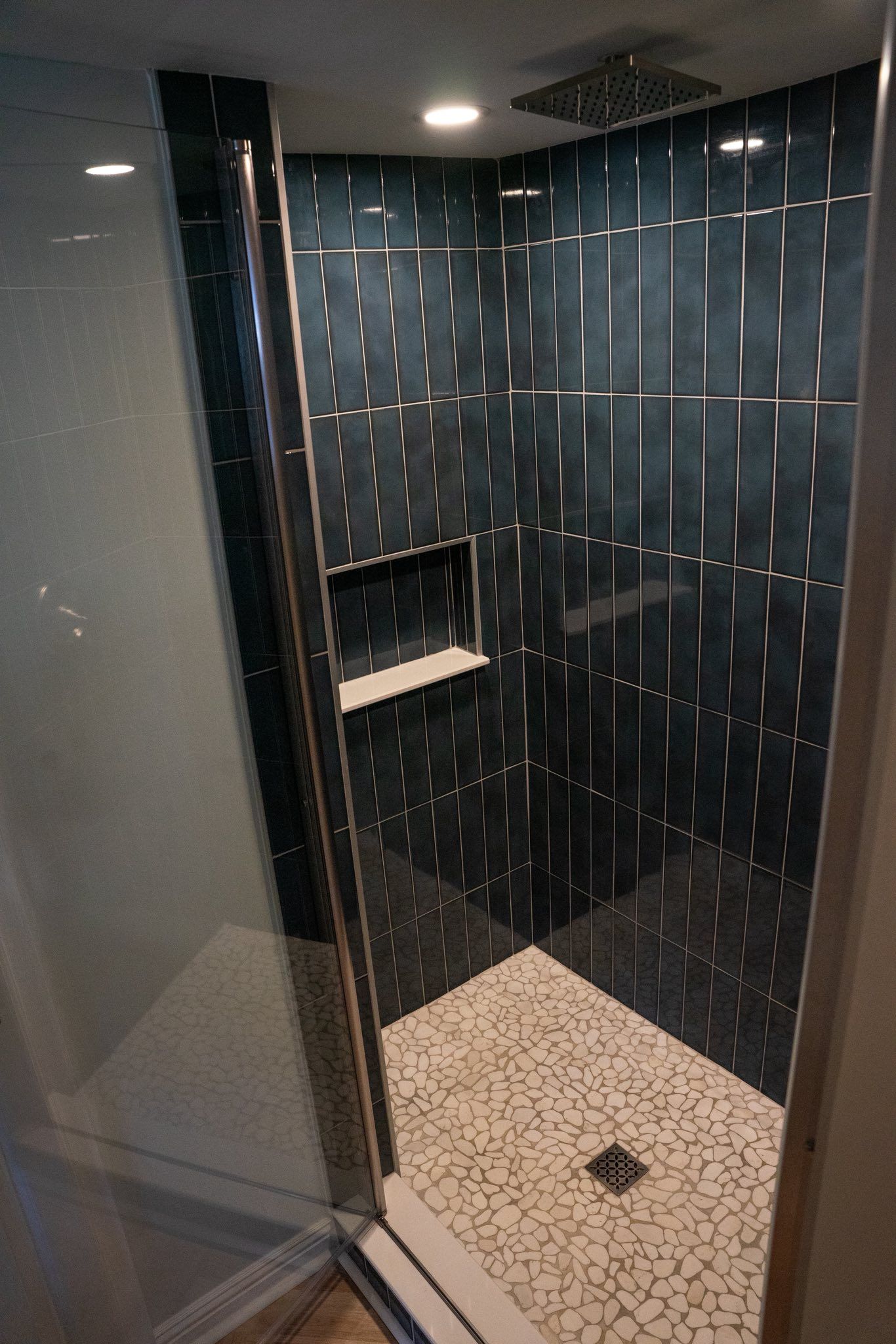
Finch Construction handles tile and flooring installation in Rock Hill for homeowners who need surfaces that drain properly, do not shift underfoot, and hold up to foot traffic without cracking or peeling. You may be replacing tile that never adhered correctly, dealing with laminate planks that separate at the seams, or planning a kitchen floor that needs to withstand spills and dropped cookware. This service includes tile for kitchens, bathrooms, and showers, hardwood, LVP, laminate, and vinyl flooring, custom backsplash and accent tile, subfloor prep and leveling, water-resistant flooring solutions, and high-traffic durability options that stay intact in entryways and hallways.
The installation begins with checking the subfloor for level and structural stability, since tile and rigid plank flooring will crack or come loose if the surface underneath flexes or has low spots. Finch Construction adds layers of cement board or self-leveling compound where needed, and ensures that all screws are countersunk so they do not interfere with the flooring material going over them. Tile is set in thin-set mortar mixed to the manufacturer's specifications, with spacers used to maintain consistent grout lines, and cuts are made with a wet saw so edges stay clean and chips are minimized.
If your current flooring has loose tiles, planks that click apart, or grout that stays discolored no matter how often it is cleaned, contact Finch Construction to discuss flooring options that address the underlying substrate issues before new material goes down.
How Subfloor Work Affects the Final Surface
Your old flooring is removed down to the subfloor, and any areas with water damage, rot, or excessive deflection are replaced with plywood that matches the thickness of the surrounding surface. Seams are staggered so joints do not align, and screws are driven every eight inches along joists to eliminate squeaks and movement. Underlayment is rolled out for floating floors, and moisture barriers are installed in basements or over concrete slabs to prevent humidity from warping planks or loosening adhesive. Tile layouts are dry-fit before mortar is applied, so cuts at doorways and transitions happen in predictable locations rather than leaving narrow slivers along one wall.
When the work is complete, you will walk across floors that do not give or flex under weight, see grout lines that run parallel to walls without wandering, and find transitions between rooms that sit flush without lips or gaps. Finch Construction seals grout in wet areas, installs baseboards or quarter-round to cover expansion gaps, and cleans all adhesive residue from tile surfaces before turning the space back over to you. Floors are ready for furniture and foot traffic as soon as the adhesive or grout has cured, which varies by product but is confirmed before you move items back into the room.
The project timeline depends on the square footage, the type of flooring selected, and how much subfloor repair is needed before installation begins. Tile work takes longer than click-lock planks due to mortar and grout cure times, and custom backsplash patterns require additional cutting and layout planning compared to straight-set field tile.
Flooring Questions Homeowners Ask Before Starting
Homeowners in Rock Hill want to know about material durability, moisture resistance, and how different flooring types perform in high-traffic areas or rooms with temperature swings.
What flooring works best in a bathroom with a shower?
Porcelain or ceramic tile handles water exposure and daily cleaning without warping, and luxury vinyl plank with a waterproof core offers a wood-look alternative that does not require grout lines where moisture can collect.
How do you prevent tile from cracking after installation?
Finch Construction ensures the subfloor does not flex by adding blocking between joists or installing a layer of cement board, and uses flexible thin-set mortar that absorbs minor movement without transferring stress to the tile.
When should you use hardwood versus LVP in a kitchen?
Hardwood can be refinished multiple times but requires immediate cleanup of water spills, while LVP resists moisture and dents from dropped objects but cannot be sanded down if the wear layer is damaged.
Why does grout need to be sealed in a shower?
Unsealed grout absorbs water and soap residue, which leads to discoloration and mildew growth, so a penetrating sealer is applied after the grout cures to keep moisture on the surface where it can be wiped away.
What is the difference between laminate and LVP flooring?
Laminate has a wood fiberboard core that swells if it gets wet, while LVP has a waterproof plastic core that handles spills and humidity without warping, making it a better choice for kitchens, bathrooms, and basements.
Finch Construction schedules flooring installations with enough time for subfloor repairs, material acclimation, and proper curing of adhesives or grout before the space is returned to regular use. If you need floors that stay level, sealed, and intact under daily use, call (803) 412-6881 to review material options and discuss the prep work required for a long-lasting installation.